Skip to main content
Skip to primary sidebar
About
Blog
Book
Podcast
Speaker
Contact
About
Blog
Book
Podcast
Speaker
Contact
Op Ed
Best Of
News
Op Ed
Profiles
Video
The Future of Circus: How can businesses and artists thrive in a changing entertainment industry?
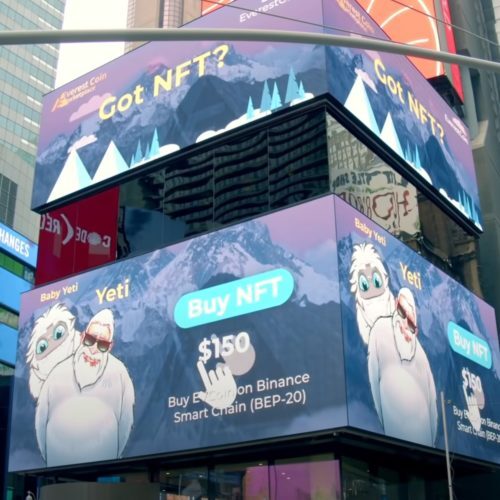
The Problem with NFTs [Video]
Micro-Moments of Perceived Rejection: How to Navigate the (near) Future of Events
Futurist Conferences: Considerations for Progressive Event Professionals
Nikola Danaylov: Technology Reveals Who We Are, Not The Future
Nikola Danaylov on Ex Human: the Lessons of 2020
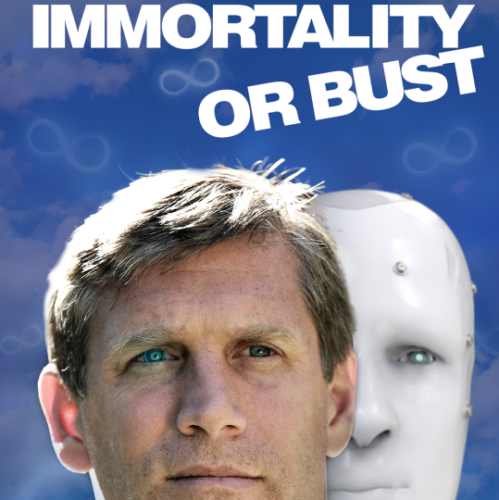
Immortality or Bust: The Trailblazing Transhumanist Movie
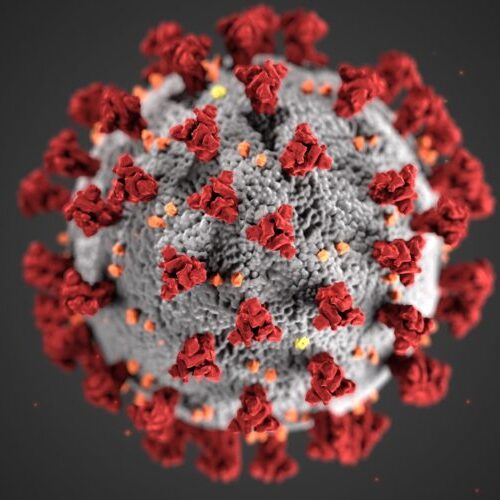
Challenges for the Next 100 Days of the COVID19 Pandemic
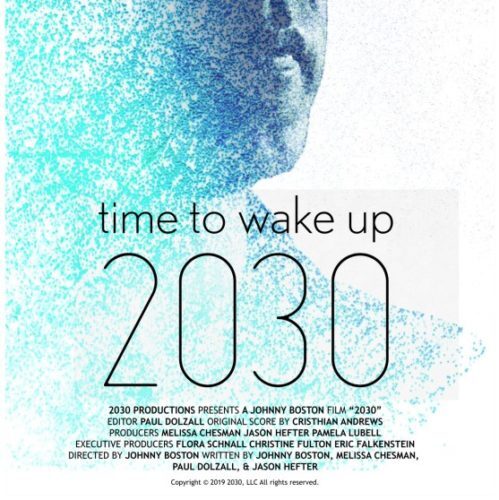
Why I wanted to Reawaken FM-2030’s Vision of the Future for 21st Century Audiences
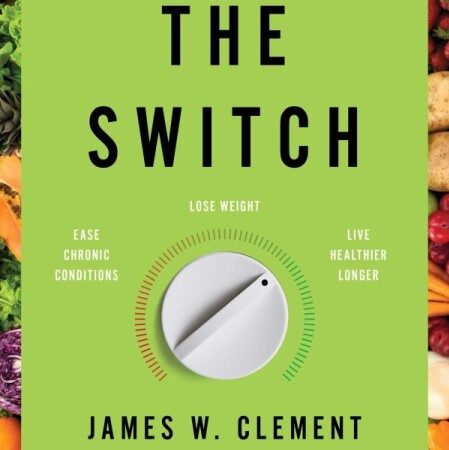
The Switch: How to Ignite Your Metabolism with Intermittent Fasting, Protein Cycling and Keto
On Transhumanist Manifestos and Dilemmas
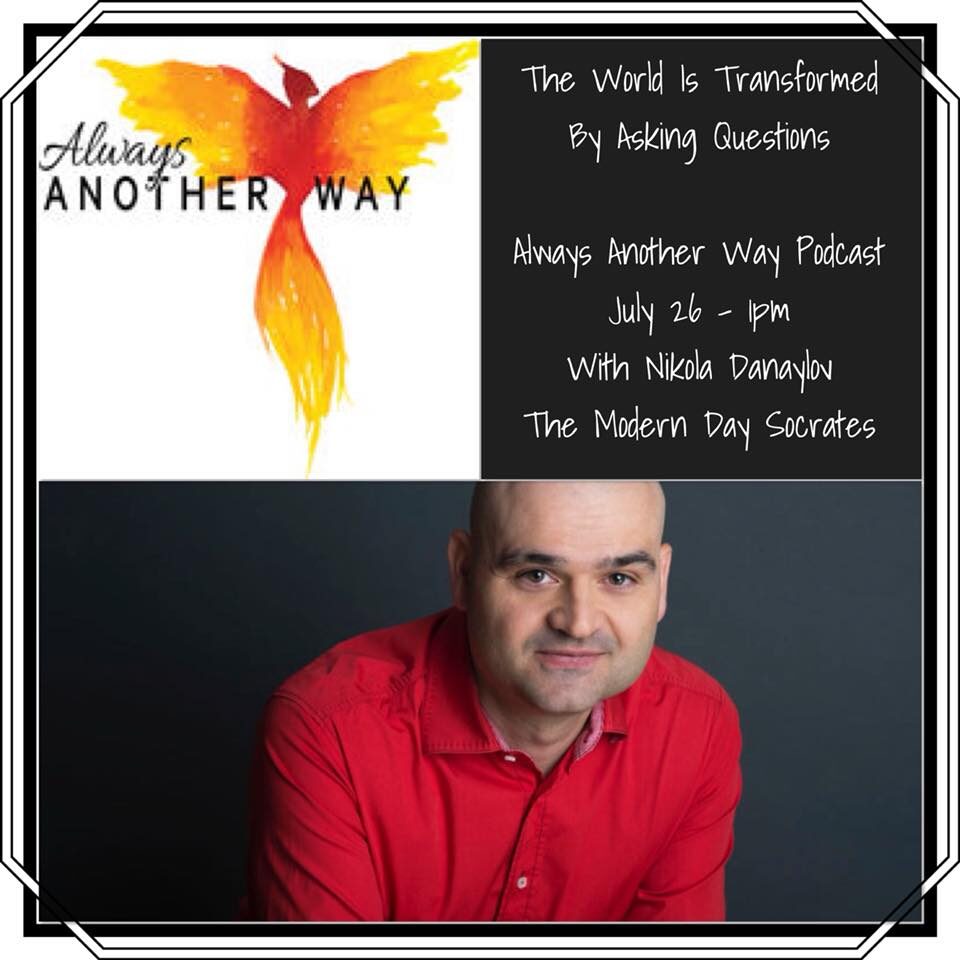
Nikola Danaylov on the Always Another Way Podcast: The World is Transformed by Asking Questions
1
2
3
…
21
Next »
We use cookies to ensure that we give you the best experience on our website. If you continue to use this site we will assume that you are okay with it.
Accept
Privacy policy