Huckelberry Finn (Robotic Edition) or Was Mark Twain Racist?
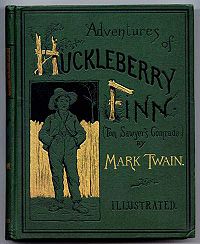 The Adventures of Huckelberry Finn has been without doubt one of the greatest American novels ever since it was published in 1884.
Recently, however, Mark Twain‘s timeless wit, satirical wisdom, deep irony and historical context have given way to a new political correctness clearly lacking the historical perspective and subtle sophistication needed to grasp the author’s scathing depiction of entrenched stereotypes and 19th century American racism.
Thus, in the 2011 NewSouth Books edition of Huck Finn, the words injun and nigger are to be “revised” to indian and slave “only to make it [the book] viable to the 21st century.”
On the upside, it seems that rumors of the death of the archetypal Mark-Twainian irony, wit and satire have been (once again) greatly exaggerated: Two humor-enhanced fans of Twain’s work have started raising funds for the project of replacing all occurrences of the N-word in the book with the word robot.
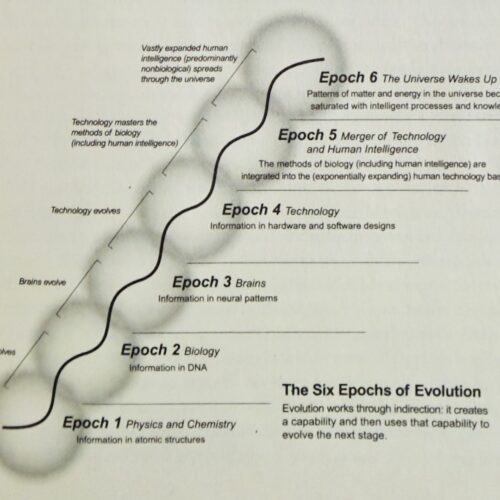
I mean, since we can clearly find enough political correctness, however misguided it may be, to censor one of the most brilliant works of world literature, and since we are aware that the countdown to the singularity has began, why remain being so self-centeredly anthropomorphic?
How can “the book [be truly] viable to the 21st century” if we don’t include robots and other forms of artificial intelligence or issues stemming from transhumanism, genetics and nanotechnology?
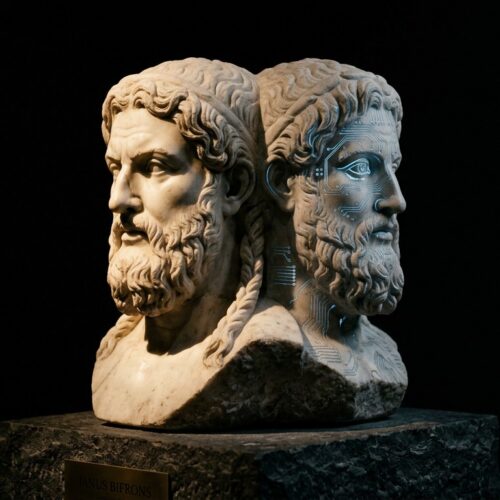
When robots are better than us not only in chess (or jeopardy) but also in irony, satire and witty sense of humor, anthropomorphic biologism and speciesm will be opposed on the same grounds as racism.
That is why I support the robotic edition of the Adventures of Huckelberry Finn. (But only until 2045 and then I will call for a new revision “only to make it [the book] viable to the [latter part of] 21st century.”)