Resources Are Not Something We Consume Like Sweets
Steve Morris / Op Ed
Posted on: January 3, 2013 / Last Modified: January 3, 2013
 I keep reading that we are using up the world’s resources at an unprecedented rate. We are selfishly consuming and there will be nothing left for future generations. But in fact the opposite is true.
What is a resource? It’s a raw material we can turn into something more useful. We can turn wood into paper. We can turn land into food. We can turn coal into electricity. Resources are fixed and finite, surely? Wrong!
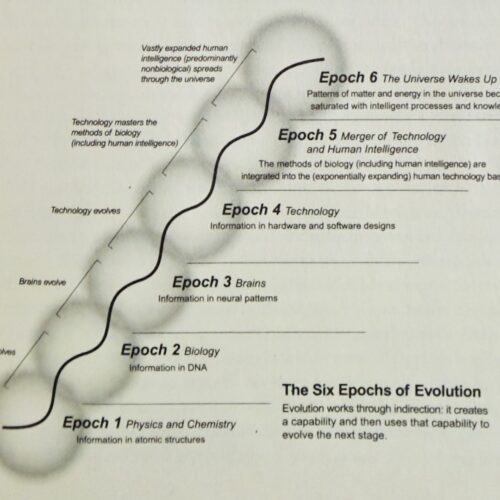
It has famously been said that the Stone Age didn’t come to an end because people ran out of stone. Instead early humans learned how to make better tools out of metal. Hunter gatherers didn’t stop hunting and gathering because they ran out of berries, or hunted all the rabbits. They developed farming and settled down. People didn’t stop using wood fires for heating and cooking because they chopped down all the trees, and we didn’t phase out steam engines because we ran out of coal.
At each stage, a new resource became available. Something that was previously unknown, unavailable or unusable suddenly became a valuable commodity. In other words, key developments in technology created new resources. The quantity of available resources has continued to expand throughout human history.
Resources are still expanding today. It’s true that there’s pressure on land, and that oil is becoming more expensive. But resources like computing power, medicines and knowledge are becoming more and more abundant.
The reason why the total forested area in Europe and North America is increasing year by year is because we no longer need to burn the trees.
One of the most important things to recognise is that each technological breakthrough depended on an existing resource. Water power was needed for the mining revolution that gave us coal. Coal-powered steam engines were used to extract oil. Electricity from burning oil was essential for the development of nuclear power.
The lesson is simple: we have to use today’s resources to create new and more abundant resources for the future. Resources are not something we consume like sweets, but can be turned into something greater. We can create resources as well as consume them.
If you agree with me, you’ll understand why the worst thing we could do for our children and grandchildren would be to slow or halt technological advancement. We need to multiply the available resources so that we can share out more for everyone.
About the Author:
 Steve Morris studied Physics at the University of Oxford and used to do research in nuclear physics. These days he runs an internet company and writes about consumer technology at S21.com.