The Hammer of AI: When Every Problem Looks Like a Nail
Nikola Danaylov / Op Ed
Posted on: May 10, 2026 / Last Modified: May 11, 2026
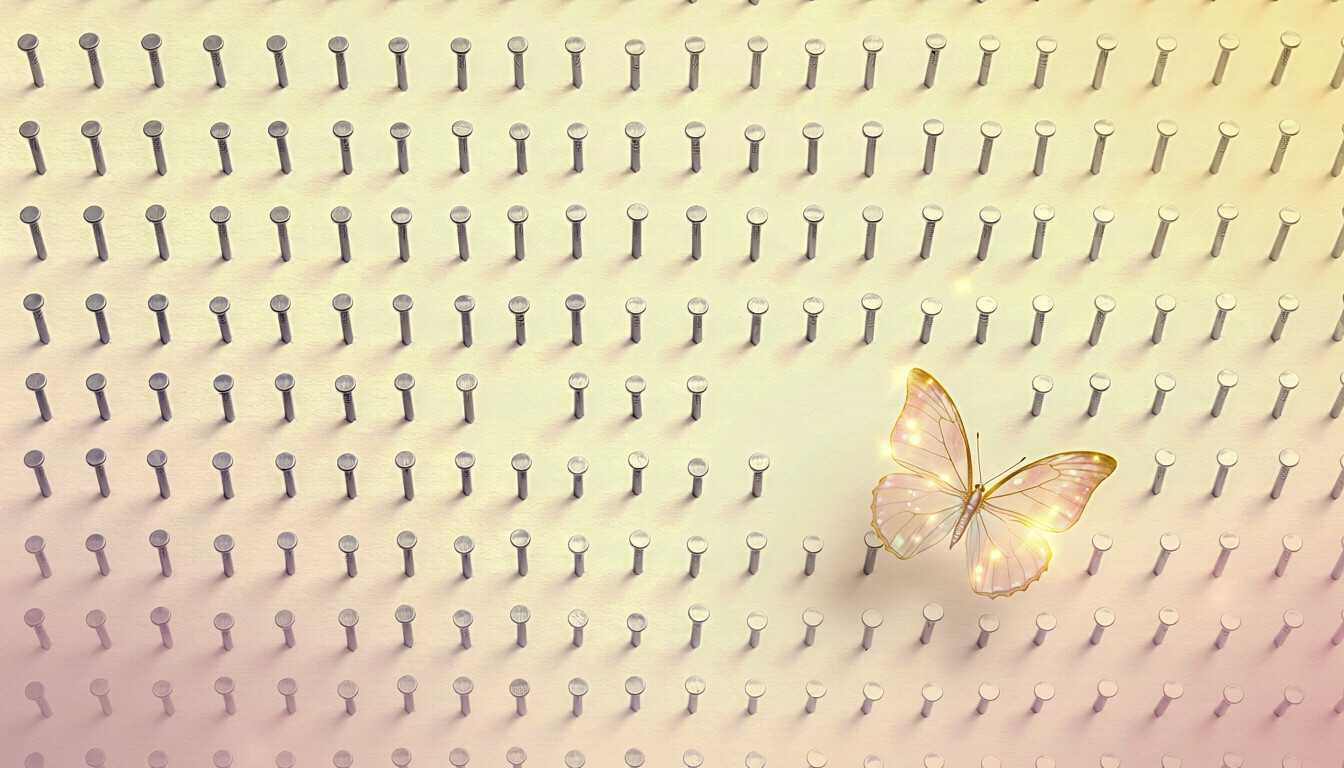 When you have a hammer, the world is full of nails.
There is no clearer description of Silicon Valley’s view of AI. The result is what I call the Hammer of AI: a single tool wielded against every problem we face, regardless of whether the problem yields to computation at all.
There is a now-familiar belief that AI will solve every challenge humanity faces. Climate change. Pandemics. Cancer. Energy. Scarcity. War. Political corruption. There is no problem that the omnipresent, all-knowing, all-mighty artificial superintelligence will not eventually crack. From there, a future of abundance unfolds: immortality, interstellar travel, and material wealth beyond imagination.
This is a religion. Technology is its faith. Silicon Valley is its Promised Land. Entrepreneurs are its prophets. They preach a techno-heaven of abundance and immortality. And we are all believers.
I should know. I used to be one.
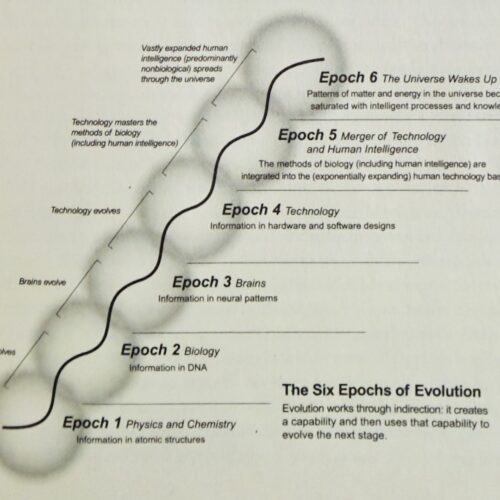
In 2006, I read Ray Kurzweil’s The Singularity Is Near, and it blew my mind. It gave me a twenty-year head start on AI. It gave me meaning, purpose, and community. It explained the world. It explained how I can fit into it. It even told me I could live forever.
It took almost a decade for me to notice the religious architecture. The techno-messiahs. The secular gods. The promise of resurrection and salvation. The same utility, the same mechanisms, the same function as religion. And the same religious inevitability. After all, you cannot thwart the will of God. Or the ceaseless march of technology.
This Manichean silver-bullet thinking is the source of the Hammer of AI.
When the Tool Misses the Target
The Hammer of AI is what happens when we apply computation to questions computation was never built to answer.
Some problems do bend to calculation. Fusion. Protein folding. Orbital mechanics. The genome. With enough compute, enough data, enough time, they yield. AI is genuinely transformative for these.
Other problems do not bend. They are not computable, only livable. I have written about that distinction here.
And yet we keep bringing the hammer to them anyway.
Can AI resolve the Israeli-Palestinian conflict? There is no dataset for grief. No metric for justice. No optimizer for legitimacy.
Can AI tell you whether to leave the marriage, take the job, or have the child? It can summarize advice columns. It cannot weigh what only you can live with.
Can AI rebuild a community fractured by social media? Social media was supposed to connect us. And yet a tool meant to bring us together has driven us apart.
When we hammer these problems, things break. Sometimes the thing that breaks is the problem. Sometimes it is us.
What the Hammer Costs
The damage takes many forms.
Cognitive offloading. The more we delegate thinking to AI, the less capable of thinking we become. Atrophy of judgment is the price of convenience.
Agency, choice, and serendipity. Algorithms optimize the path. They also flatten it. The unexpected encounter, the wrong turn that becomes the right one, the chance meeting that changes a life, all of it disappears when the path is too smooth.
Inevitability thinking. “You cannot stop technology,” ends every argument. Any objection becomes the rant of a Luddite. The conversation about whether and how is replaced by submission to when.
The black box. We accept answers we cannot question, from systems we cannot audit, optimized for goals we cannot inspect. This is not a failure of AI. It is the architecture of AI.
Skill atrophy. When we no longer write, our writing decays. When we no longer remember, our memory decays. When we no longer navigate, our sense of place decays. Use it or lose it has never had a louder echo.
The flight from friction. Comfort is the enemy. Friction grows intelligence. AI exists to remove friction. So does every other anesthetic. Both work. Both extract a cost the user does not see.
The erosion of shared reality. When images can be generated, voices cloned, evidence fabricated, we lose the floor we stood on. We cannot trust what we see, hear, or read. The cost is not just lies. It is the loss of any agreed ground.
Concentration of power. The companies that own the AI eventually own everything else. Karen Hao calls them empires, not businesses. The framing is correct. We do not yet have the political vocabulary for this kind of power.
Atrophy of imagination. Imagination is the final frontier. AI generates. We stop. The capacity to imagine the new dies in proportion to how often we ask the machine to imagine for us.
The hollowing of meaning. Work was never just output. It was the connection between effort and self. When AI does the work, the output remains. The connection does not.
These are not bugs to be patched. They are what the Hammer does.
The Tool, and What It Cannot Build
A butterfly is not a nail. The mind knows the difference. The hammer cannot.
AI is useful. So is a hammer. Both are powerful when applied to the right problems. Both are dangerous when applied to the wrong ones. The Hammer of AI is what we get when we forget the difference.
What we need is not more intelligence. As the Dalai Lama said, we need more compassion. What we need is not more speed. We need direction first. Direction comes from purpose. Purpose from values. Values from wisdom.
AI can lengthen our lives. It cannot make them worth living. It can make them easier and more comfortable, but not more meaningful.
When you have a hammer, the world is full of nails. When you have a Hammer of AI, the world is full of marriages and meanings, conflicts and griefs, all mistaken for nails.
I left this religion years ago. Not because the technology is a lie, but because the way we are using it is a category error we keep paying for.
The way out is not a better hammer. It is the wisdom to know which problems are nails. And which are not.