
Podcast: Play in new window | Download | Embed
Subscribe: RSS
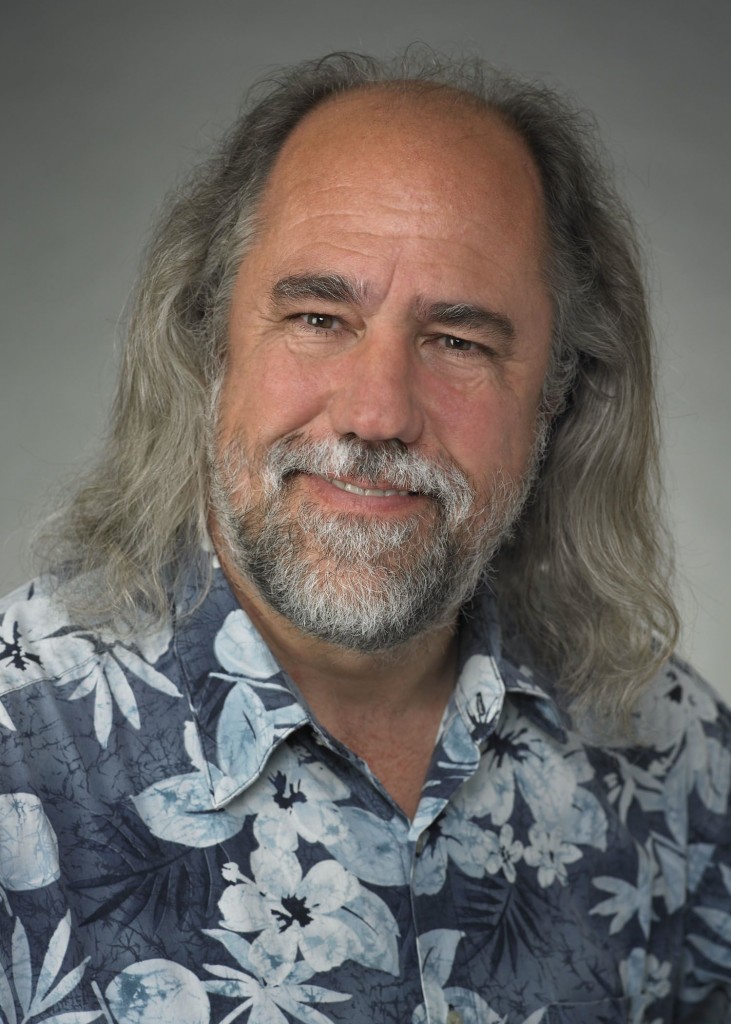 Grady Booch is an IBM fellow, best-selling author, software engineer, geek, philosopher, storyteller, entrepreneur, and former US air-force serviceman who used to work on the secret space shuttle military program. If his bio is not enough to make you watch the interview on its own, let me just add that this was one of the frankest and most fun conversations that I have had so far on Singularity 1 on 1. So don’t waste any more time reading, but hit the play button and watch the interview!
During our 50 min conversation with Grady Booch we cover a variety of interesting topics such as the moral and social implications of software engineering; his upcoming documentary on Computing the Human Experience; the 4 intellectuals who had the most significant impact on him; whether IBM is trying to create an AI or not; the coolest future apps for Watson and whether the NSA is interested; if intelligence is computable or not; the Penrose-Hameroff Orch OR theory of consciousness; determinism, free will, and computability; Marvin Minsky and Noam Chomsky’s claim that we are not making any progress in general artificial intelligence; Grady’s take on the technological singularity and the Turing Test…
My favorite quotes that I will take away from this fun interview with Grady Booch are:
Enjoy the beauty in what you are doing but also take and own responsibility!
and
There is a magical world behind that curtain. Open it up! You will be amazed by the things you’ll see. […] Join us on that journey!
As always, you can listen to or download the audio file above or scroll down to watch the video interview in full. To show your support, you can write a review on iTunes, make a direct donation, or become a patron on Patreon.
Who is Grady Booch?
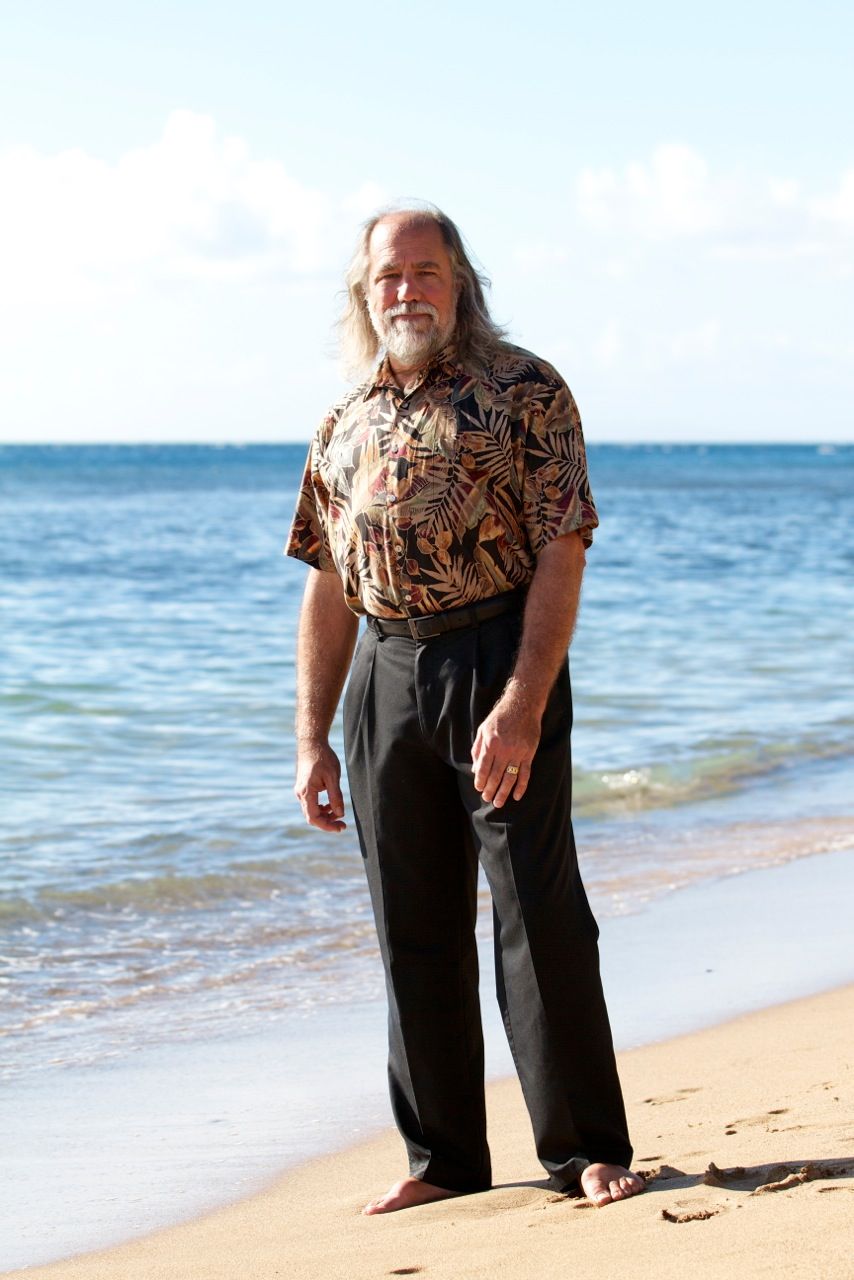 Grady is currently developing a major transmedia project on computing; for more information, visit Computing: The Human Experience.
Grady is recognized internationally for his innovative work in software architecture, software engineering, and collaborative development environments. He has devoted his life’s work to improving the art and the science of software development. Grady served as Chief Scientist of Rational Software Corporation since its founding in 1981 and through its acquisition by IBM in 2003. He now is part of the IBM Almaden Research Laboratory serving as Chief Scientist for Software Engineering, where he continues his work on the Handbook of Software Architecture and also leads several projects in software engineering that are beyond the constraints of immediate product horizons. Grady continues to engage with customers working on real problems and maintains deep relationships with academia and other research organizations around the world. Grady is one of the original authors of the Unified Modeling Language (UML) and was also one of the original developers of several of Rational’s products. Grady has served as an architect and architectural mentor for numerous complex software-intensive systems around the world in just about every domain imaginable.
Grady is the author of six best-selling books, including the UML Users Guide and the seminal Object-Oriented Analysis and Design with Applications. He writes a regular column on architecture for IEEE Software. Grady has published several hundred articles on software engineering, including papers published in the early ’80s that originated the term and practice of object-oriented design (OOD), plus papers published in the early 2000s that originated the term and practice of collaborative development environments (CDE). You’ll find some of those articles available for download at his ACM author profile.
Grady is an IBM Fellow, an ACM Fellow, an IEEE Fellow, a World Technology Network Fellow, a Software Development Forum Visionary, and a recipient of Dr. Dobb’s Excellence in Programming award plus three Jolt Awards. Grady was a founding board member of the Agile Alliance, the Hillside Group, and the Worldwide Institute of Software Architects, and now also serves on the advisory board of the International Association of Software Architects. He is also a member of the IEEE Software editorial board. Additionally, Grady serves on the board of the Computer History Museum, where he helped establish work for the preservation of classic software and therein has conducted several oral histories for luminaries such as John Backus, Fred Brooks, and Linus Torvalds. He previously served on the board of the Iliff School of Theology.
Grady received his bachelor of science from the United States Air Force Academy in 1977 and his master of science in electrical engineering from the University of California at Santa Barbara in 1979.
When not traveling, Grady lives in Maui and in Colorado, but he also lives virtually – as the avatar Alem Theas – in Thornbridge. Grady’s interests include reading, traveling, singing, playing the Celtic harp, and kayaking.
Related articles
- David Ferrucci on Singularity 1 on 1: Pursue the Big Challenges
- Noam Chomsky: The Singularity is Science Fiction!
- Marvin Minsky on Singularity 1 on 1: The Turing Test is a Joke!
- Stuart Hameroff on Singularity 1 on 1: Consciousness is More than Computation!

 May 11, 2012 marks the 15-year anniversary since IBM’s chess-playing supercomputer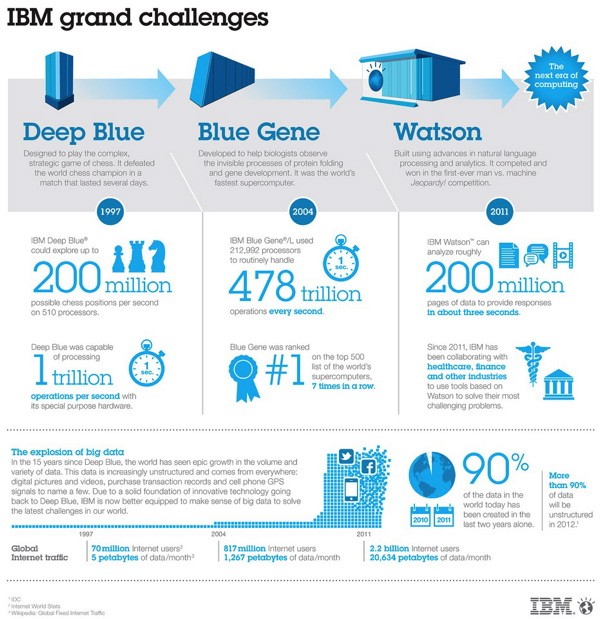

 This Monday I interviewed Dr.

